Blocked drains are one of the most common plumbing problems in Pretoria homes, complexes, restaurants, shops, and offices. A slow kitchen sink may look minor at first, but the same blockage can become a bad smell, an overflow, or a recurring drain issue if the cause is deeper in the line. The trick is knowing what you can try safely and when the job needs professional equipment.
Pretoria properties vary from older homes with mature trees to newer estates with compact drainage layouts. Tree roots, grease, building debris, wipes, hair, soap residue, and poor pipe falls can all play a role. Before reaching for harsh chemicals, start with the safest checks.
DIY steps that are usually safe
For a slow basin, shower, or kitchen sink, remove visible debris from the drain opening. Hair, soap build-up, and food particles often sit close to the surface. Wear gloves and avoid pushing debris deeper into the pipe.
Next, try hot water for greasy kitchen waste, but do not use boiling water on fixtures or pipework that may be sensitive to heat. A plunger can help if there is enough water to create a seal. Use a sink plunger for sinks and a toilet plunger for toilets; mixing tools between toilets and basins is unhygienic.
For basins, the trap under the sink can sometimes be cleaned if it is accessible and you are comfortable doing it. Put a bucket underneath, loosen carefully, clean the trap, and refit it properly. If it leaks afterwards, stop and call a plumber rather than overtightening plastic fittings until they crack.
What to avoid
Avoid repeated use of harsh drain chemicals. They can damage certain materials, create safety risks, and make the job more dangerous for the plumber who eventually has to open the line. They also often fail on solid blockages, roots, collapsed pipes, or heavy grease.
Do not force wire, rods, or improvised tools into drains if you do not know the pipe route. You can damage traps, puncture flexible connectors, or push the blockage further down. Also avoid opening inspection points if sewage is already backing up and you do not have protective gear.
Signs the blockage is deeper than the fixture
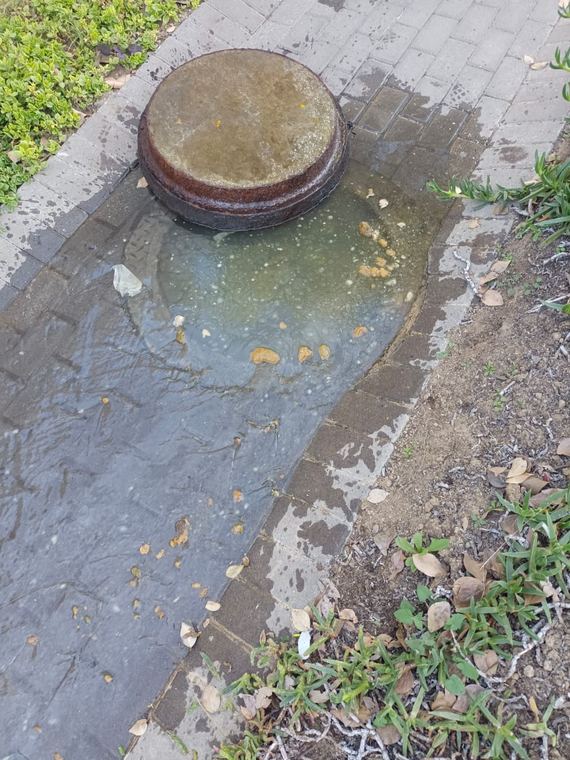
If one basin is slow but everything else drains normally, the blockage may be local. If multiple fixtures are slow, the issue is likely deeper in the branch or main drain. Warning signs include gurgling toilets, shower water rising when the toilet flushes, outside gullies overflowing, sewage smells, or water backing up in the lowest drain point.
In Pretoria homes with trees near sewer lines, recurring blockages can be caused by roots entering joints or damaged sections. Clearing the line may restore flow temporarily, but repeated root intrusion needs proper diagnosis and a repair plan.
When to call a professional
Call a plumber if the blockage returns after DIY clearing, affects more than one fixture, involves sewage, causes outside overflow, or happens in a business where downtime matters. Professional drain machines can clear deeper blockages more effectively than plungers or household products.
A plumber can also identify patterns: grease from a kitchen line, wipes in a toilet line, root intrusion, incorrect falls, broken pipe sections, or foreign objects. That matters because the correct solution depends on the cause. A once-off blockage may only need clearing. A repeated blockage needs investigation.
Preventing blocked drains
Keep cooking oil and fat out of kitchen sinks. Scrape plates before washing. Use drain strainers in showers and basins. Do not flush wipes, sanitary products, cotton buds, nappies, or paper towels. Even “flushable” wipes can contribute to blockages because they do not break down like toilet paper in many real drainage systems.
For restaurants, guest houses, rental properties, and high-use homes, preventative drain cleaning may be cheaper than emergency overflows. If a drain has a history of blocking, keep a note of when it happens and which fixtures are affected; that information helps the plumber find the likely section faster.
Useful information to give your plumber
When you phone, explain whether the blockage affects one drain or several, whether sewage is visible, whether the problem started suddenly or has been getting worse, and whether any recent building, gardening, paving, or tree-root work happened near the line. Mention if chemicals have already been poured into the drain so the plumber can work safely.
If the property is in a complex or sectional title building, also check whether neighbours are experiencing the same issue. Shared drainage problems may need body corporate involvement, but a plumber can still help identify where the blockage appears to be.
I Plumb helps with blocked drains across Gauteng, including Pretoria and surrounding areas. Whether it is a slow sink, blocked shower, overflowing gully, or recurring main drain issue, the aim is to clear the blockage safely and deal with the cause where possible.