
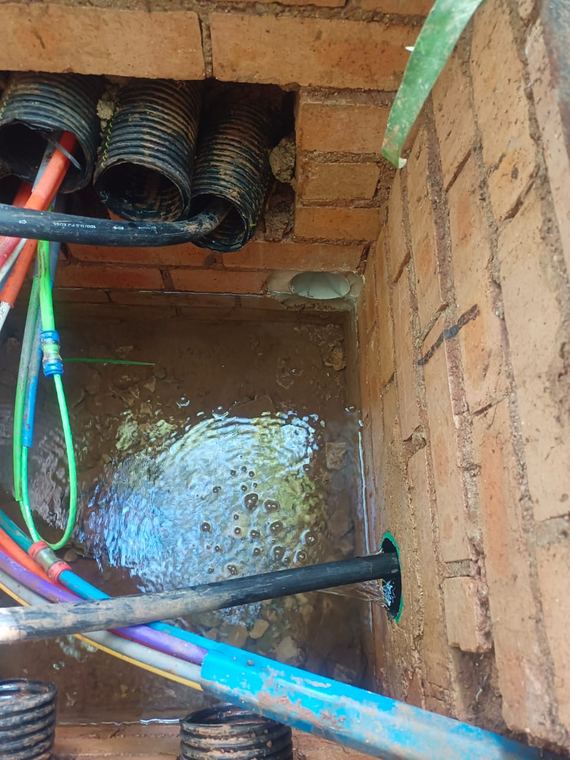
Burst pipe emergency? See burst pipe plumbing support.
A burst pipe can turn a normal day into a stressful emergency in minutes. Water can damage ceilings, floors, cupboards, furniture, electrical fittings, and neighbouring units. The first few minutes matter. You do not need to solve the plumbing problem yourself; you need to make the property safer, reduce water flow, and get help on the way.
This guide is written for Gauteng homeowners, tenants, landlords, and property managers who need a clear sequence to follow during a burst pipe emergency.
1. Shut off the water supply
Find and close the main stopcock. In many homes it may be near the water meter, at the boundary, outside the kitchen, in a garage, or near where the municipal supply enters the property. Turn it clockwise until closed. If the burst is on a branch line and there is a local isolation valve, you may be able to close only that section, but the main stopcock is the safest first move if water is flooding.
Once the main water is off, open a low tap and a nearby tap to release remaining pressure. Water may continue draining for a short while from pipes, geyser lines, or elevated sections.
2. Keep away from electrical hazards
If water is near plugs, lights, DB boards, appliances, extension leads, or wet ceilings with wiring above, do not touch those areas. Switch off electricity at the main board only if you can reach it safely without standing in water or touching wet surfaces. If you cannot do so safely, stay clear and contact the right emergency support.
Water and electricity are the biggest danger in many burst pipe situations. Property damage is frustrating, but personal safety comes first.
3. Move valuables and contain water where possible
Move furniture, electronics, documents, rugs, and valuables away from the affected area if it is safe. Use buckets, towels, and mops to contain water. If water is dripping through a ceiling, place a bucket underneath and keep people away from sagging boards. A ceiling can hold water for a while and then fail suddenly.
Do not cut, drill, or puncture a ceiling unless instructed by a qualified professional. Releasing trapped water incorrectly can create injury risk and more damage.
4. Take photos for records
Before major clean-up, take photos or videos of the burst area, water flow, damaged items, wet ceilings, and affected rooms. This can help landlords, body corporates, insurers, or maintenance teams understand what happened. Do not delay shutting off water just to take photos; stop the water first, document second.
5. Call an emergency plumber
Once the water is isolated and people are safe, call a plumber. Explain where the pipe burst, whether the main water is off, whether the geyser is involved, what material the pipe appears to be if visible, and whether water is near electricity. Good information helps the plumber arrive prepared.
Common burst pipe locations include ceiling voids, geyser connections, outside supply lines, under sinks, behind toilets, garden feeds, and wall chases. The repair method depends on access, pipe material, pressure, and the condition of surrounding fittings.
What causes burst pipes?
Burst pipes can come from age, corrosion, high pressure, poor installation, damaged fittings, accidental drilling, movement, blocked pressure control, worn flexible connectors, or previous repairs that were not done properly. In some cases, the visible burst is only the weakest point in a larger pressure or material problem.
That is why a plumber should not only patch the obvious break, but also check nearby fittings, supports, valves, and pressure where relevant. A quick repair is useful in an emergency; a proper repair reduces the chance of repeat damage.
After the repair
Dry the area as soon as possible. Ventilate rooms, remove soaked items, and monitor ceilings, cupboards, and skirting boards over the next few days. Damp materials can swell or develop mould if they stay wet. If the burst affected a ceiling, cupboard, or wall, you may need follow-up repair work once the plumbing is fixed and the area has dried.
Prepare before an emergency happens
The best time to find your stopcock is before a pipe bursts. Walk the property and identify the main shut-off point, geyser isolator, and any local valves under basins, behind toilets, near washing machines, and at outside taps. Make sure responsible family members, tenants, or staff know where the main valve is and how to close it.
Also keep the area around the water meter accessible. A stopcock hidden behind stored items, locked gates, soil, or overgrown plants can waste valuable minutes during a flood. Simple preparation can reduce damage dramatically when something fails.
I Plumb provides emergency plumbing support across Gauteng for burst pipes, serious leaks, and urgent water problems. In a flooding situation, quick isolation and calm action can prevent a bad plumbing problem from becoming a major property repair.