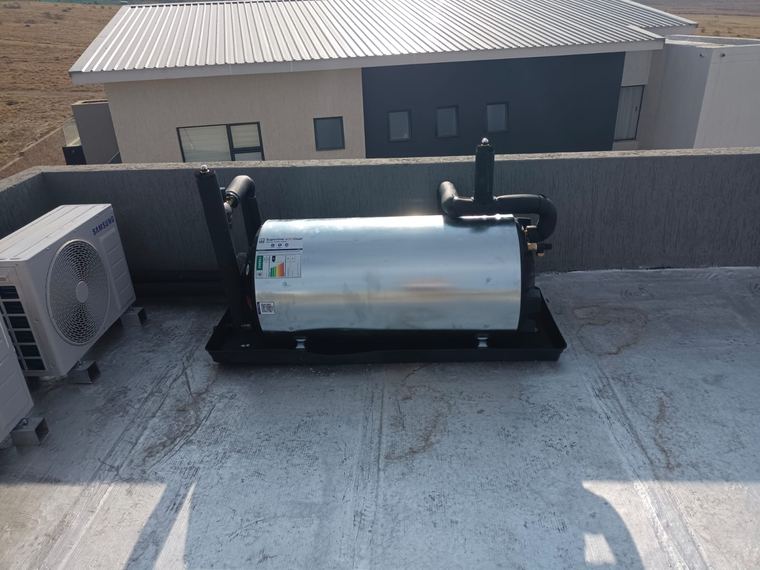
A noisy geyser can be unsettling, especially when it sits in a roof space above bedrooms, cupboards, or ceilings. Some sounds are normal expansion and contraction. Others can point to pressure problems, a faulty valve, sediment inside the cylinder, loose pipework, or an issue with the heating cycle. The important thing is to understand the pattern of the noise and know when it is safer to call a plumber.
In Gauteng, geysers work hard through cold mornings, busy households, pressure changes, and occasional municipal supply interruptions. That does not mean every sound is an emergency, but repeated or worsening noises should not be ignored.
Popping or rumbling sounds
Popping, knocking, or rumbling can happen when sediment settles inside the geyser cylinder. As water heats, trapped bubbles can push through the sediment layer and create noise. This is more common in older units or systems that have not been maintained for a long time.
Sediment can reduce efficiency and put extra strain on the geyser. It can also make the thermostat work harder to heat the water. A plumber can assess whether flushing, valve checks, or further inspection is appropriate. Do not open geyser components yourself; hot water and pressure can cause serious injury.
Dripping, running, or overflowing sounds
A small amount of discharge from an overflow pipe can happen during heating because water expands. However, constant dripping or running water from an overflow pipe is not something to leave. It may point to a pressure control valve, temperature and pressure valve, over-pressure condition, thermostat issue, or other fault that needs attention.
Look outside for the overflow discharge point if it is visible and safe to check. If water is running continuously, phone a plumber. Constant overflow wastes water and can also indicate that a safety component is not behaving as it should.
Banging pipes when taps close
A loud bang after closing a tap or when the geyser fills may be water hammer. This is a pressure shock in the pipework. It can be caused by high pressure, quick-closing valves, loose pipe supports, or missing/failed pressure control. Over time, repeated shocks can stress joints and fittings.
Water hammer is not always inside the geyser itself, but geyser pipework can be part of the system affected. If the noise is new or getting worse, it is worth checking before a joint starts leaking in the ceiling or wall.
Hissing or sizzling sounds
A hissing sound can have different causes. It may be water passing through a valve, steam or hot water escaping, or water contacting a hot surface. If you hear hissing near the geyser and see moisture, steam, or active dripping, treat it seriously. Switch off power to the geyser at the electrical board if it is safe to do so, avoid touching wet electrical areas, and call for help.
If the geyser is in a ceiling, do not climb into the roof space unless you are sure it is safe. Wet ceilings, electrical wiring, and cramped roof areas can be dangerous.
Clicking or ticking after hot water use
Light ticking after someone showers can be normal pipe expansion. Hot water pipes expand as they warm and contract as they cool. This can create small clicks where pipes pass through walls, clips, or timber. If the sound is mild, short-lived, and only happens after hot water use, it is usually less concerning.
However, ticking with visible leaks, pressure changes, or ceiling stains should be inspected. A normal expansion sound should not come with dampness or water loss.
When should you call a Gauteng plumber?
Call a plumber if the noise is loud, new, constant, linked to dripping, linked to pressure changes, or coming from a geyser above a ceiling. Also call if your hot water runs out quickly, water is too hot, water is not heating, the overflow runs continuously, or you see rust-coloured water around fittings.
Helpful details to note before phoning
Before you call, note when the noise happens: only while heating, after taps close, during the night, when the municipal supply returns, or all the time. Check whether the noise comes with low pressure, very hot water, no hot water, dripping overflow, damp ceilings, or tripping electricity. If the geyser is in a roof space, also mention whether there are visible ceiling stains or water marks below it.
These details help separate a normal expansion sound from a valve, pressure, leak, or heating problem. You do not need to diagnose it yourself. You only need to describe the pattern clearly and avoid unsafe DIY work on the geyser.
For Gauteng homes, I Plumb can inspect the geyser installation, valves, pipework, overflow behaviour, and visible warning signs. The right response may be a simple valve replacement, pipe support adjustment, maintenance recommendation, or a more serious repair. The key is not to guess with a pressurised hot-water system.