Suspect a leak? See leak repair and detection support.
A hidden leak is one of those plumbing problems that can sit quietly behind a wall, under a slab, in a ceiling, or below a sink cabinet until the damage becomes obvious. In Johannesburg homes, leaks can show up in older copper lines, flexible connector pipes, geyser overflow points, bathroom plumbing, irrigation feeds, or poorly sealed fittings after renovations. The difficult part is that the first warning sign is not always a visible puddle.
If you suspect a leak, the goal is simple: limit water damage, confirm the signs you can check safely, and bring in a plumber before moisture spreads into ceilings, cupboards, skirtings, electrical areas, or foundations. Here are five practical signs to watch for.
1. Your water meter moves when no taps are open
This is one of the most useful checks because it does not rely on guessing. Turn off taps, appliances, irrigation, and toilets. Make sure nobody is using water in the house, then look at the water meter. If the meter continues moving, there may be water passing somewhere in the system.
A slow movement can point to a small leak, a running toilet, a leaking valve, or an underground pipe issue. A faster movement needs urgent attention. Do not dig up paving or break tiles based on the meter alone; use it as a warning sign and get the line inspected properly.
2. Damp marks, bubbling paint, or soft plaster
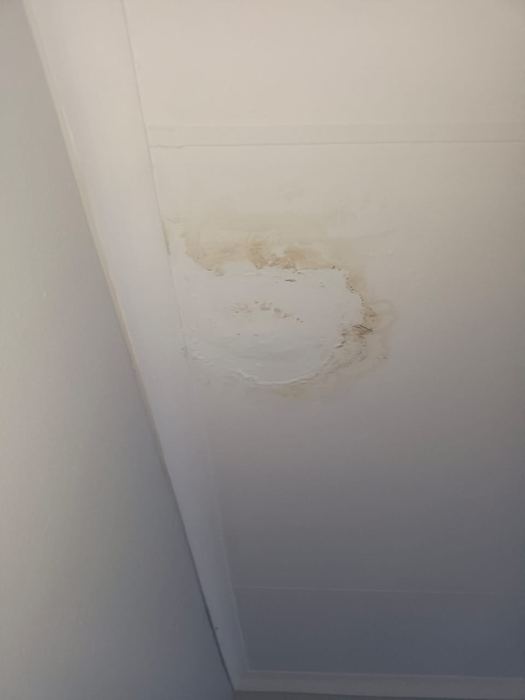
Water often travels before it becomes visible. A leak in a bathroom wall can appear as bubbling paint in a nearby passage. A roof-space or geyser leak can stain a ceiling several metres from the actual source. Look for brown rings, peeling paint, swollen skirting boards, mouldy corners, or plaster that feels soft when pressed gently.
Johannesburg’s afternoon storms can confuse the issue because roof leaks and plumbing leaks can look similar. A useful clue is timing: if the damp patch grows even in dry weather, plumbing should be investigated. If it appears only after rain, the roof, flashing, gutters, or waterproofing may also need checking.
3. A sudden drop in water pressure
Low pressure does not always mean a hidden leak. It can be caused by municipal supply interruptions, pressure-reducing valves, blocked strainers, old galvanised pipes, or a faulty mixer. But if one part of the home suddenly loses pressure, especially near a bathroom, kitchen, or garden line, a leak or restriction is possible.
Compare hot and cold water. If only the hot water is weak, the geyser line, valves, or mixer may be involved. If both hot and cold are weak in one area, the issue may be local to that branch of pipework. If the entire property has low pressure, check whether neighbours are affected before assuming the worst.
4. Unusual sounds in walls, floors, or ceilings
A faint hissing, running, dripping, or ticking sound when all water is off deserves attention. Water escaping under pressure can create a constant hiss. A dripping pipe in a ceiling can sound like a light tap. Hot water pipes can also expand and contract, so occasional ticking after a shower is not automatically a leak.
The concern is a sound that continues when no water is being used. Try switching off the stopcock and listen again. If the sound stops, water movement in the plumbing system is likely. If it continues, the sound may come from another source.
5. Higher water use with no clear reason
A water bill or prepaid water usage pattern that jumps without a change in household habits can be a clue. Before assuming a hidden pipe leak, check toilets first. A leaking toilet cistern can waste water quietly and is often missed. Put a few drops of food colouring in the cistern and wait without flushing; if colour appears in the bowl, water is passing through.
Also check outside taps, irrigation, pool top-up lines, washing machine connections, dishwasher feeds, and geyser overflow pipes. These visible points are easier and cheaper to rule out before moving to concealed pipework.
When to call a plumber
Call sooner if the leak is near electricity, the ceiling is sagging, water is spreading quickly, the meter is moving fast, or the damp area keeps returning after being dried. Small leaks become expensive when they are left long enough to damage cupboards, tiles, ceilings, flooring, or neighbouring units.
For Johannesburg homes and businesses, I Plumb can help inspect the symptoms, isolate the likely source, and advise on the correct repair. The best leak repair is not the biggest repair; it is the one based on proper diagnosis.