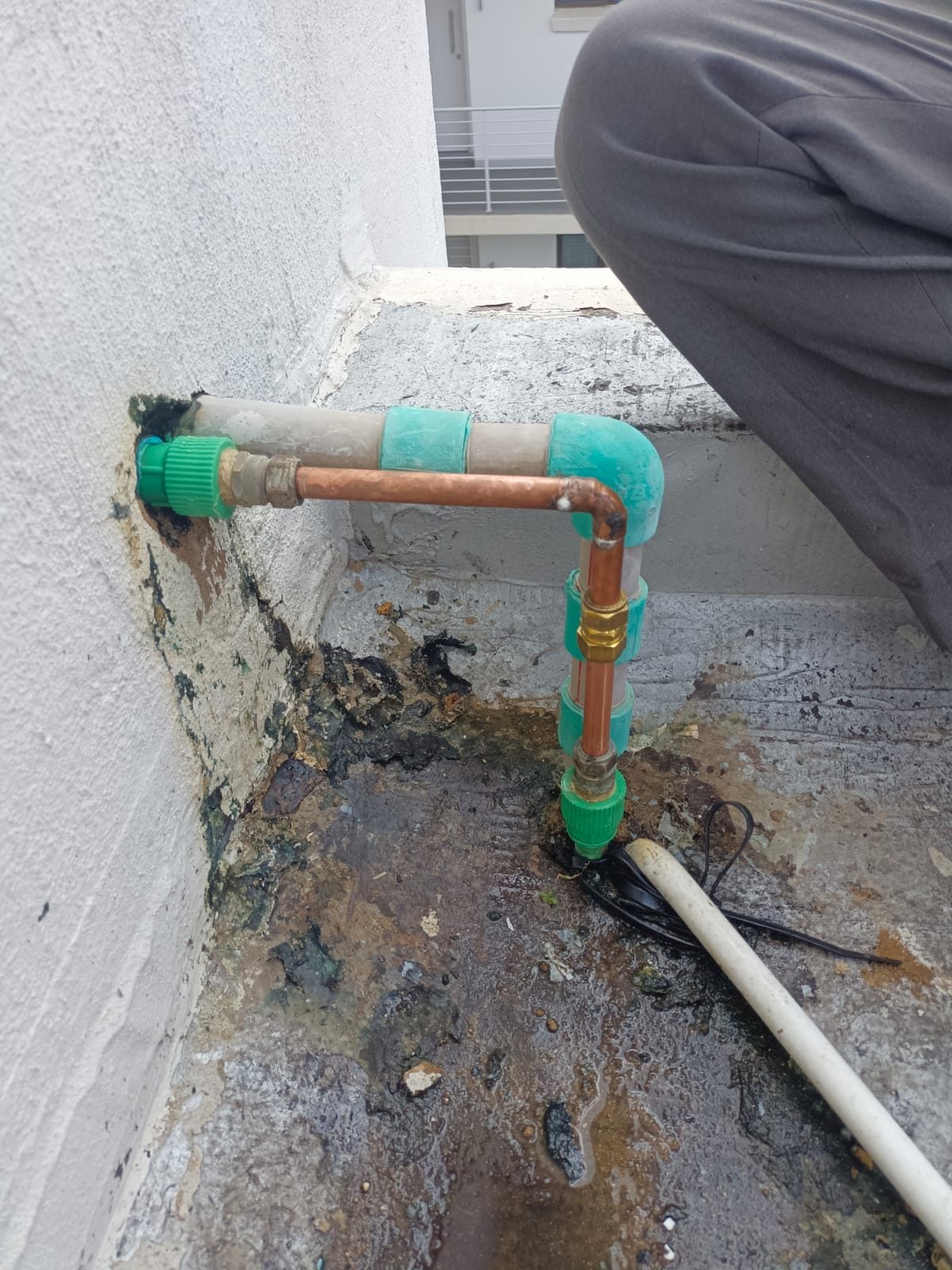
Signs you may have a hidden leak
- Unexplained damp patches or bubbling paint
- A sudden increase in water use
- Musty smells near cupboards, walls, or bathrooms
- Dripping, staining, or water marks around plumbing points
Leak detection
Help finding and fixing visible or suspected plumbing leaks before damage spreads.

Not all plumbing leaks are obvious. A dripping tap you can see is one thing — a slow leak behind a tiled wall, under a concrete slab, or inside a ceiling void is something else entirely. Hidden leaks can run for weeks or months before anyone notices, and by then the damage can be extensive: rotten timber, mould growth, damaged plaster, swollen cupboards, and water bills that are suddenly much higher than expected.
Common signs of a hidden leak include unexplained damp patches on walls or ceilings, bubbling or peeling paint, musty smells in cupboards or near bathrooms, the sound of running water when no taps are on, and a water meter that keeps turning even when everything in the house is switched off. If you notice any of these, do not wait — the longer a hidden leak runs, the more expensive the eventual repair. A small leak that could have been fixed with a simple pipe repair can become a major renovation if left unchecked.
I Plumb helps Gauteng homeowners and businesses find and fix leaks — from visible dripping pipes and taps to concealed leaks that need systematic investigation. While specialist electronic leak detection equipment may be needed for some underground or in-slab leaks, many hidden leaks can be identified through careful inspection of visible signs, water meter testing, and isolating sections of the plumbing system. Once found, the repair is usually straightforward.

Service details
I Plumb helps Gauteng homes and businesses with clear plumbing support, direct communication, and practical repair guidance.


Questions
Key signs include damp patches or water stains on walls and ceilings, bubbling or peeling paint, musty or mouldy smells near cupboards or bathrooms, the sound of running water when all taps are off, and a higher-than-normal water bill. You can also check your water meter before going to bed — if the reading has changed by morning with no water used overnight, you almost certainly have a leak.
Yes — and often more than people expect. A slow, steady leak inside a wall or ceiling can saturate timber, plaster, and insulation over weeks or months, leading to rot, mould growth, and structural weakening. A leaking pipe under a kitchen or bathroom cupboard can destroy the cupboard base, damage flooring, and attract pests. Small leaks do not fix themselves — they only get worse and more expensive the longer they are left.
If the damp returns or spreads, get it checked. Waiting can make the repair more expensive.
Related advice
Spot the subtle signs before hidden leaks cause major damage.
Read the guidePractical checks that save you from expensive repairs and wasted water.
Read the guideFix leaks and upgrade fixtures to save water and money.
Read the guideCall, WhatsApp, or send an enquiry and I Plumb will confirm the next step for your plumbing issue.